
Best Tools for Automated Deployment: Boost Efficiency Today
Are you tired of slow, error-prone software releases? Imagine a world where your code moves from development to production smoothly, without constant manual work.
Automated deployment tools can make that happen. They save you time, reduce mistakes, and let you focus on building great features instead of worrying about the release process. You’ll discover the best tools that can transform how you deploy your projects.
Ready to boost your productivity and confidence? Keep reading to find out which solutions fit your needs perfectly.

Top Deployment Tools
Jenkins
Jenkins is a popular open-source automation server. It supports many plugins for deployment tasks. Jenkins integrates well with various version control systems. Its large community provides many resources and support. Users can create pipelines with simple scripts.Gitlab Ci/cd
GitLab CI/CD is built into GitLab repositories. It automates builds, tests, and deployments. The tool uses YAML files to define pipelines. It works well for teams using GitLab for code hosting. GitLab CI/CD offers easy setup and good scalability.Circleci
CircleCI is a cloud-based continuous integration platform. It supports fast builds and parallel job execution. CircleCI integrates with GitHub and Bitbucket. It provides real-time feedback on deployment status. Users appreciate its simple configuration and speed.Travis Ci
Travis CI is a hosted service for open-source projects. It automates testing and deployment workflows. Travis CI uses a simple YAML file for configuration. It supports multiple programming languages and environments. This tool is easy to start and reliable.Octopus Deploy
Octopus Deploy focuses on release management and deployment automation. It supports complex deployment scenarios and environments. Octopus integrates with build servers like Jenkins and TeamCity. It provides a user-friendly web interface for managing releases. This tool suits teams with complex release needs.
Credit: northflank.com
Key Features To Look For
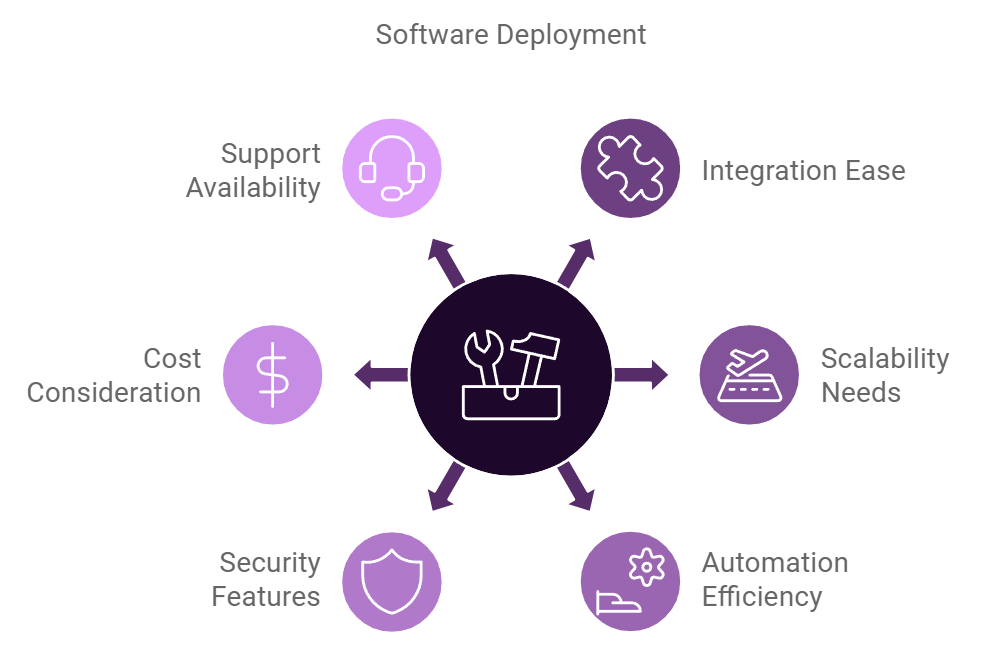
Choosing the right automated deployment tool saves time and reduces errors. Not all tools work the same. Some have features that fit your project better. Knowing what features matter most helps pick the best tool. Focus on features that improve efficiency, security, and ease of use. These features ensure smooth deployment and fewer problems. Here are key features to check before selecting any tool.
Ease Of Integration
The tool must connect easily with your existing systems. It should work well with your code repository and testing tools. Smooth integration saves effort and speeds up deployment. Look for tools with many supported plugins and APIs.
Scalability
Your deployment needs may grow over time. The tool should handle more projects or bigger workloads. Choose tools that scale without slowing down or breaking. Scalability keeps your process reliable as your team grows.
Automation Capabilities
The tool should automate key deployment steps. Automatic builds, tests, and releases reduce manual work. Look for customizable workflows to fit your specific process. Good automation lowers mistakes and saves time.
Security Features
Deployment tools must protect your code and data. Features like role-based access, encryption, and audit logs matter. Strong security prevents unauthorized access and keeps your projects safe.
User-friendly Interface
Simple and clear interfaces help teams work faster. Look for dashboards that show deployment status and logs easily. A good interface reduces confusion and errors during deployment.
Support And Documentation
Reliable customer support helps solve issues quickly. Comprehensive documentation guides users through setup and troubleshooting. These resources keep your deployment process smooth and uninterrupted.
Benefits Of Automation
Automation in deployment saves time and reduces errors. It allows teams to deliver updates faster and more often. Automated deployment tools handle repetitive tasks. This frees developers to focus on building features and fixing bugs. Automation also improves consistency. Each deployment follows the same steps exactly. This reduces the chance of mistakes caused by manual work. Teams gain confidence that the software runs well after each update.
Faster Release Cycles
Automation speeds up the release process. Deployments happen with just a few clicks or automatically. This helps teams release new features and fixes quickly. Faster releases keep users happy with fresh updates.
Improved Accuracy
Automated tools follow exact instructions every time. This reduces human errors during deployment. Accurate deployments mean fewer bugs and less downtime. It improves the overall quality of the software.
Better Team Collaboration
Automation creates clear and repeatable steps. Teams share the same process and tools. This reduces confusion and miscommunication. Developers, testers, and operations work together smoothly.
Cost Savings
Automation lowers the need for manual work. Teams spend less time on routine tasks. This reduces labor costs and frees resources for other projects. It also lowers the risk of costly mistakes.
Popular Open Source Options
Jenkins
Jenkins is a widely used automation server. It supports building, testing, and deploying code. Its plugin system allows customization for many tasks. Jenkins works well for continuous integration and continuous delivery pipelines.Gitlab Ci/cd
GitLab CI/CD is built into the GitLab platform. It offers easy setup for pipelines and deployment. GitLab runners execute jobs on different environments. It integrates tightly with Git repositories for smooth workflows.Spinnaker
Spinnaker focuses on multi-cloud continuous delivery. It supports deploying to Kubernetes, AWS, Google Cloud, and more. Spinnaker offers powerful deployment strategies like canary and blue-green. It provides detailed monitoring and rollback features.Argo Cd
Argo CD is a Kubernetes-native continuous delivery tool. It uses Git repositories as the source of truth. Argo CD syncs application states automatically. This tool simplifies managing complex Kubernetes deployments.Capistrano
Capistrano is a remote server automation tool. It focuses on deploying web applications easily. Capistrano uses simple Ruby scripts for deployment tasks. It helps automate repetitive tasks across multiple servers.Cloud-based Deployment Solutions
Amazon Web Services (aws) Codedeploy
AWS CodeDeploy automates software deployments to various compute services. It works with EC2, Lambda, and on-premises servers. The tool helps avoid downtime during updates. It supports rolling updates and automatic rollback on failure.Microsoft Azure Devops
Azure DevOps provides a full suite for deployment and project management. It supports pipelines that build, test, and release code automatically. This tool integrates well with other Azure services for cloud hosting.Google Cloud Build
Google Cloud Build enables automated builds and deployments on Google Cloud Platform. It supports multiple languages and tools. The service offers fast, consistent deployments and integrates with Google Kubernetes Engine.Heroku
Heroku is a cloud platform that simplifies app deployment. It uses Git for easy code updates. The platform handles infrastructure management, letting developers focus on coding. It suits small to medium projects well.Integration With Ci/cd Pipelines
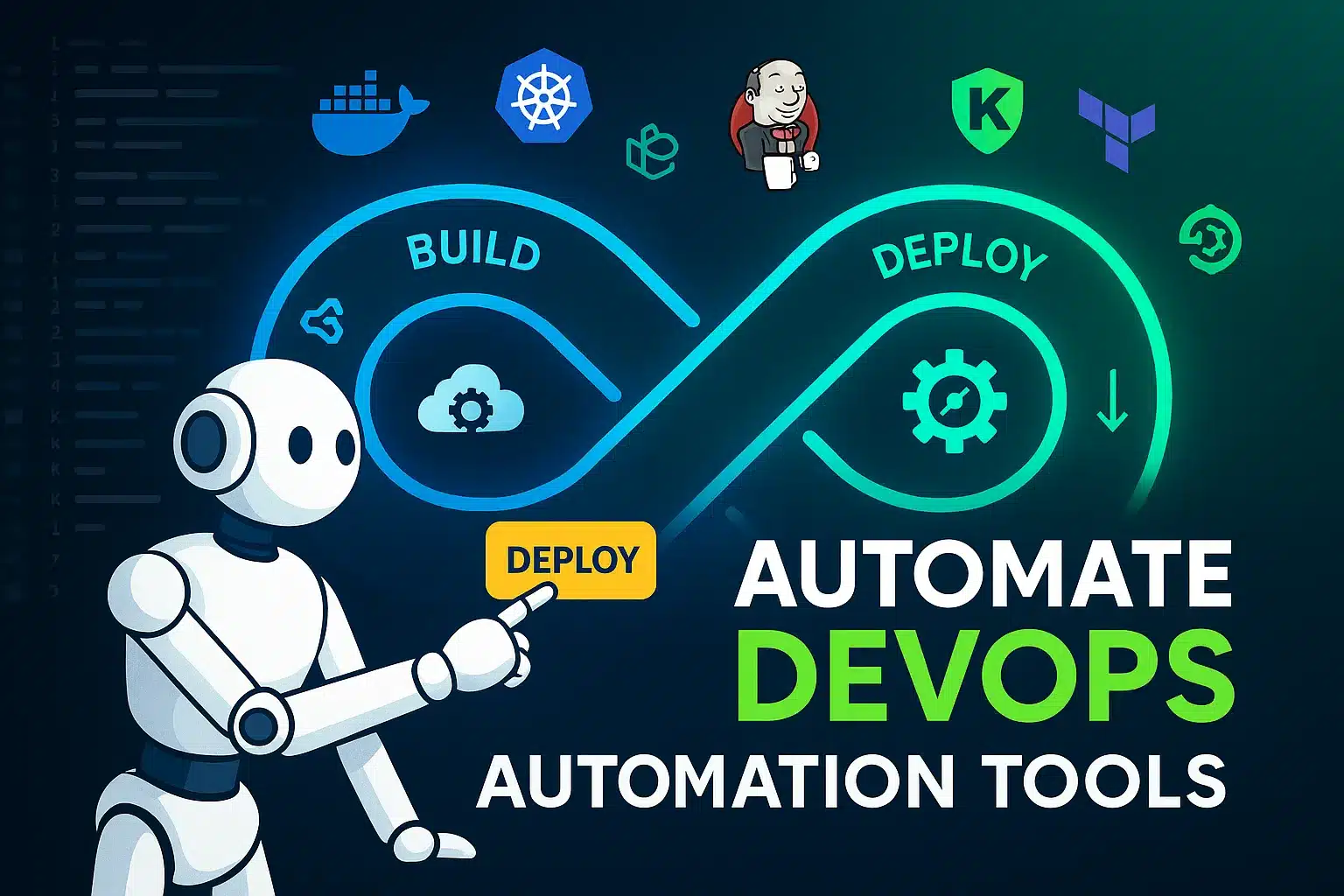
Integration with CI/CD pipelines is crucial for smooth automated deployment. It ensures that code changes move quickly from development to production. Automation tools that work well with CI/CD help teams save time and reduce errors. This integration creates a seamless workflow. Each step, from testing to deployment, happens without manual work. Choosing deployment tools that fit with your CI/CD setup boosts efficiency. These tools handle tasks like building, testing, and releasing software. They connect easily with popular CI/CD platforms. This connection allows developers to focus on coding, not deployment tasks.
Jenkins Integration
Jenkins is a popular open-source automation server. It supports many plugins to connect with deployment tools. Jenkins pipelines automate building, testing, and deploying software. It works with tools like Ansible, Docker, and Kubernetes. Jenkins helps teams deliver updates faster and more reliably.
Gitlab Ci/cd Compatibility
GitLab CI/CD offers a built-in pipeline for code deployment. It integrates well with deployment tools such as Helm and Terraform. GitLab runners execute deployment scripts automatically. This integration helps keep deployments consistent across environments. Developers get quick feedback on their code changes.
Circleci Support
CircleCI provides cloud-based and self-hosted CI/CD solutions. It supports workflows that include deployment steps. CircleCI works with tools like AWS CodeDeploy and Google Cloud Build. This support helps teams automate releases to multiple platforms. CircleCI pipelines are easy to set up and maintain.
Choosing The Right Tool For Your Team
Choosing the right tool for automated deployment can shape your team’s success. The right choice boosts efficiency and cuts down errors. It fits your team’s skills and project needs perfectly. This section helps you find the best tool for your team.
Understand Your Team’s Skill Level
Assess the current skills of your team. Some tools need coding knowledge, others are drag-and-drop. Choose a tool that matches your team’s abilities. This reduces training time and speeds up adoption.
Consider Project Complexity
Simple projects need simple tools. Complex projects require tools with more features. Think about how many environments you deploy to. Also, check if your tool supports multiple languages and frameworks.
Evaluate Integration Needs
Check if the tool integrates with your existing systems. It should work well with your code repository and testing tools. Seamless integration saves time and avoids manual work.
Look At Scalability Options
Choose a tool that grows with your team. It should handle more projects and users easily. Scalability avoids changing tools frequently, which can be costly and disruptive.
Review Support And Community
Strong support helps solve issues fast. A large user community means more shared tips and solutions. Pick tools with good documentation and active forums for quick help.
Credit: keploy.io
Credit: uptimerobot.com
Frequently Asked Questions
What Are The Best Tools For Automated Deployment In 2024?
Top tools include Jenkins, GitLab CI, CircleCI, and AWS CodeDeploy for smooth automation.
How Do Automated Deployment Tools Improve Software Delivery?
They speed up releases, reduce errors, and ensure consistent deployment across environments.
Can Beginners Use Automated Deployment Tools Easily?
Yes, many tools offer simple setups and clear guides for users new to automation.
What Features Should I Look For In Deployment Tools?
Look for ease of use, integration options, reliability, and good community support.
Conclusion
Choosing the right tool makes deployment faster and less stressful. These tools help teams work better and avoid errors. Automated deployment saves time and keeps projects on track. Start with one that fits your needs and skills. Test it well before using it in real projects.
Remember, simple and reliable tools often work best. Keep learning and improving your deployment process. Good tools make your work easier every day.