
Best Medical Coding Automation Tools: Boost Accuracy & Efficiency
Are you tired of spending endless hours on medical coding? What if there was a way to speed up your work, reduce errors, and boost your productivity all at once?
The right medical coding automation tool can transform how you handle coding tasks, making your job easier and more accurate. You’ll discover the best medical coding automation tools designed to save you time and effort. Keep reading to find the perfect solution that fits your needs and helps you stay ahead in the fast-paced healthcare industry.

Benefits Of Medical Coding Automation
Medical coding automation brings many benefits to healthcare providers. It speeds up the coding process, reduces errors, and improves overall efficiency. Automation tools handle large volumes of data quickly. This allows coders to focus on complex cases that need human judgment. The result is faster billing cycles and quicker payments.
Improved Accuracy
Automation tools reduce human mistakes in coding. They follow strict guidelines and update codes regularly. This ensures medical records are coded correctly, avoiding costly errors.
Time Savings
Automated coding saves time by processing information faster than manual work. Coders spend less time on routine tasks. This frees them to work on detailed reviews and audits.
Cost Efficiency
By reducing errors and speeding up coding, automation lowers administrative costs. Healthcare providers spend less on corrections and claim rejections. This helps control overall expenses.
Consistent Coding Standards
Automation ensures coding follows the same rules every time. Consistency improves data quality and compliance with regulations. This builds trust with insurers and regulatory bodies.
Better Data Management
Medical coding tools organize and store data securely. They make it easy to access patient records and coding history. This supports better decision-making and reporting.
Key Features To Look For
Choosing the right medical coding automation tool means finding features that fit your needs. These features improve accuracy and save time. They make coding easier and help reduce errors. Focus on key capabilities that support your workflow and compliance.
Accurate Code Mapping
The tool must match medical terms with the correct codes. Accuracy reduces claim denials and speeds up billing. It should handle updates in coding standards automatically. This keeps your records current without extra work.
User-friendly Interface
A simple, clear design helps coders work faster. Easy navigation lowers the learning curve for new users. The system should offer quick access to common functions. This saves time and reduces mistakes.
Integration Capabilities
Good tools connect with your existing software smoothly. They should work with electronic health records and billing systems. This avoids duplicate data entry and keeps information consistent. Integration supports a seamless workflow.
Compliance And Security
Healthcare data needs strong protection. The tool should follow privacy laws like HIPAA. It must include features to keep patient data safe. This builds trust and avoids legal trouble.
Real-time Error Detection
Automatic alerts help find mistakes quickly. The tool should flag incorrect or missing codes instantly. This prevents delays in billing and claim processing. Real-time checks improve overall accuracy.
Customizable Reporting
Reports help track coding performance and trends. The tool should allow easy report creation and export. Custom options let users focus on key metrics. This supports better decision-making.

Credit: www.ascribehealthcare.com
Top Tools In The Market
Medical coding automation tools help healthcare providers save time and reduce errors. These tools simplify the coding process by using software to assign codes automatically. Choosing the right tool is key for better accuracy and efficiency. Below are some of the top tools in the market that many healthcare professionals trust. Each tool offers unique features to meet different needs.
3m Codefinder Software
3M CodeFinder Software is popular for its accuracy and speed. It uses advanced algorithms to match clinical documentation with correct codes. The tool supports ICD-10, CPT, and HCPCS coding systems. Its user-friendly interface helps coders work faster.
Optum360 Encoderpro
Optum360 EncoderPro offers reliable code lookup and validation. The software updates regularly with the latest coding rules. It helps reduce coding errors and improves billing compliance. Coders appreciate its easy navigation and quick search features.
Nuance Clintegrity
Nuance Clintegrity combines natural language processing with coding automation. It reads medical notes and suggests accurate codes. The tool integrates well with electronic health records (EHR). It boosts productivity and ensures coding quality.
Dolbey Fusion Cac
Dolbey Fusion CAC uses speech recognition and computer-assisted coding. It speeds up the coding process by capturing physician dictations. The software also highlights key terms to help coders verify codes. It is flexible and fits many healthcare settings.
Codeassist By Trucode
CodeAssist by TruCode offers real-time code auditing and suggestions. It helps coders avoid common mistakes and stay compliant. The tool supports multiple coding systems and updates frequently. Its clear reports aid in quick error correction.
Ai And Machine Learning Integration
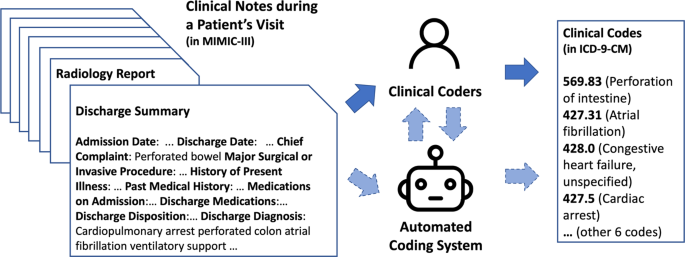
AI and machine learning have changed medical coding. These technologies help automate tasks that once took hours. They improve speed and accuracy in coding. Medical professionals can focus more on patient care. Coding errors drop, and billing becomes smoother. AI systems learn from data patterns. Machine learning models improve over time. They spot coding mistakes and suggest corrections. This reduces manual checks and speeds up the process.
How Ai Analyzes Medical Records
AI reads medical notes and extracts key details. It understands diagnosis, treatments, and procedures. This helps assign the right codes quickly. It works with unstructured data like doctors’ notes too. The result is faster and more precise coding.
Machine Learning For Code Prediction
Machine learning algorithms predict codes based on past cases. They learn from thousands of examples. The system suggests likely codes for new records. This lowers the chance of missing important codes. Coders get helpful recommendations for complex cases.
Reducing Errors With Ai Checks
AI scans coded records for errors or mismatches. It flags codes that do not fit the medical details. This helps catch mistakes before billing. Fewer errors mean fewer claim rejections. AI acts as a second pair of eyes.
Benefits For Medical Coders
AI tools reduce repetitive tasks for coders. They speed up code assignment and review. Coders spend less time on routine work. They focus on complex coding problems. This improves job satisfaction and productivity.
Improving Coding Accuracy
Improving coding accuracy is vital for healthcare providers. Errors in medical coding can lead to claim denials and delayed payments. Automation tools help reduce these errors by checking codes quickly and precisely. They support coders in selecting the right codes and following guidelines correctly. Using automation also saves time and lowers stress for coders. It allows them to focus on complex cases instead of repetitive tasks. Accurate coding improves patient records and helps maintain compliance with healthcare rules.
Automated Code Validation
Automation tools perform code validation automatically. They check codes against updated medical standards. This reduces mistakes caused by manual entry. Coders receive alerts for incorrect or missing codes. Automated validation ensures that claims meet payer requirements.
Error Detection And Correction
These tools find errors early in the coding process. They highlight inconsistencies and suggest corrections. Coders can review and fix issues before submission. This lowers claim rejections and speeds up reimbursement. Error detection helps maintain clean and accurate data.
Integration With Electronic Health Records (ehr)
Automation tools connect smoothly with EHR systems. They extract clinical information directly from patient records. This reduces manual data entry and misinterpretation. Integration ensures codes reflect true patient conditions. It improves both accuracy and efficiency in coding tasks.
Regular Updates And Compliance
Medical coding rules change often. Automation tools receive regular updates to stay current. This keeps coding practices aligned with official guidelines. Automated updates help avoid penalties and maintain compliance. Coders can trust the tool to provide accurate information.
Enhancing Workflow Efficiency
Improved Data Accuracy
Automation tools check codes against medical records automatically. This reduces human mistakes. Accurate data leads to fewer rejected claims. It also ensures proper billing and compliance.Faster Code Assignment
Tools suggest the right codes quickly. Coders do not need to search manually. This speeds up the entire coding process. Faster coding means quicker patient billing and payment.Streamlined Task Management
Automation helps organize coding tasks clearly. It tracks progress and deadlines. Coders and managers can see workloads easily. This keeps the team on track and reduces stress.Enhanced Communication
Many tools offer built-in messaging features. Teams can share updates instantly. This avoids miscommunication and delays. Clear communication improves overall workflow.Cost Considerations And Roi
Cost considerations and return on investment (ROI) play a key role in choosing medical coding automation tools. These tools often require a significant upfront cost. Businesses must assess if the benefits justify the expenses. Understanding all costs involved helps avoid surprises. This includes software fees, hardware needs, and training expenses. Ongoing support and updates may add to the total cost. ROI measures how much benefit a tool brings compared to its cost. Savings from faster coding, fewer errors, and reduced labor affect ROI. A positive ROI shows the tool pays for itself over time.
Initial Investment And Setup Costs
The first cost includes buying the software license and necessary equipment. Setup fees may cover installation and integration with existing systems. Staff training also requires time and money.
Operating Costs And Maintenance
Monthly or yearly subscription fees may apply. Maintenance ensures the tool works smoothly and stays updated. Support services can help resolve issues quickly, avoiding downtime.
Measuring Productivity Gains
Automation speeds up coding tasks. Faster work means more claims processed daily. Reduced errors lower the chance of rejected claims and delays.
Impact On Labor Costs
Automation can reduce the need for extra staff. Existing coders may focus on complex cases instead. This shift can save money on salaries and overtime.
Evaluating Long-term Financial Benefits
Savings grow as the tool improves accuracy and speed. Fewer compliance issues reduce fines and penalties. Over time, the tool may pay for itself several times over.
Credit: www.nature.com
Challenges And Limitations
Medical coding automation tools bring many benefits to healthcare providers. They speed up coding tasks and reduce human errors. Yet, these tools also face several challenges and limitations that affect their performance. Understanding these issues helps users make better choices and set realistic expectations. Automation tools depend heavily on accurate data input. Poor quality data leads to wrong codes and billing mistakes. Another challenge is the complexity of medical terminology. Tools may struggle to interpret nuanced or rare cases correctly. This can require manual review and correction. Integration with existing systems is often difficult. Some automation software does not work smoothly with electronic health records (EHR). This creates delays and extra work for staff. Also, regular updates are needed to keep up with changing coding standards. Many tools lag behind, causing outdated or incorrect coding.
Data Accuracy And Quality Issues
Automation tools need clean, precise data to work well. Errors in patient records or notes can cause coding mistakes. Incomplete information confuses the software and lowers reliability.
Complex Medical Terminology
Medical language is complex and detailed. Automation tools may miss subtle differences in terms or conditions. This leads to incorrect codes and billing errors.
System Integration Problems
Not all tools fit easily with existing healthcare software. Poor integration slows workflows and increases manual tasks. Staff may face challenges switching between systems.
Keeping Up With Coding Updates
Coding standards change regularly to reflect new rules. Automation tools need constant updates to stay accurate. Delays in updates cause errors and compliance risks.
Future Trends In Automation Tools
The future of medical coding automation tools is bright and full of change. These tools will become smarter and faster. They will help reduce errors and save time. Hospitals and clinics will use them more to manage patient data easily. Automation tools will keep improving with new technologies. These changes will affect how medical coders work. They will spend less time on routine tasks. This will give them more time for complex cases.
Artificial Intelligence And Machine Learning
AI and machine learning will play a big role in future tools. They will learn from data and improve coding accuracy. These systems will understand medical terms better. This will reduce mistakes in coding and billing.
Integration With Electronic Health Records (ehr)
Automation tools will link closely with EHR systems. This will make data transfer smooth and fast. Coders will get instant access to patient information. It helps speed up the coding process and lowers errors.
Cloud-based Solutions
Cloud technology will make medical coding tools more flexible. Users can access tools from anywhere with internet. It supports remote work and collaboration. Updates and data backup will also be easier.
Voice Recognition Technology
Voice recognition will become common in coding tools. Coders can speak notes directly into the system. This cuts down typing time and speeds up coding. The technology will improve to understand medical language well.
Enhanced Security Measures
Security will improve to protect sensitive patient data. Tools will use better encryption and access controls. This keeps information safe from hackers. It builds trust between providers and patients.

Credit: www.advancedcodingservices.com
Frequently Asked Questions
What Are Medical Coding Automation Tools?
Medical coding automation tools help convert medical records into codes quickly. They reduce errors and save time for medical coders.
How Do Automation Tools Improve Medical Coding Accuracy?
These tools use algorithms to check codes against rules. They catch mistakes and suggest correct codes, improving accuracy.
Can Automation Tools Save Time In Medical Coding?
Yes, automation tools speed up coding by processing data faster than humans. This helps medical staff focus on patient care.
Are Medical Coding Automation Tools Easy To Use?
Most tools have simple interfaces and require little training. They are designed to fit smoothly into existing workflows.
Do Automation Tools Support Multiple Coding Systems?
Many tools support ICD, CPT, and HCPCS coding systems. This makes them useful for various medical billing needs.
Conclusion
Choosing the right medical coding automation tool saves time and reduces errors. These tools help staff work faster and focus on patient care. They improve accuracy and make billing smoother. Consider your needs and budget before picking one. Trial versions can help you test features.
Automation brings clear benefits to medical offices of all sizes. Start exploring options today to boost your workflow and reduce stress.
Meta Description: Best medical coding automation tools streamline coding processes by using software to accurately translate medical records into standardized codes for billing and analysis.