Are you looking for a way to make your software testing faster and more reliable? The Tosca Test Automation Tool might be exactly what you need.
Imagine cutting down your testing time while catching more bugs before your users do. This tool is designed to simplify your testing process, even if you’re not a coding expert. You’ll discover how Tosca can transform your testing efforts and help you deliver better software with less hassle.
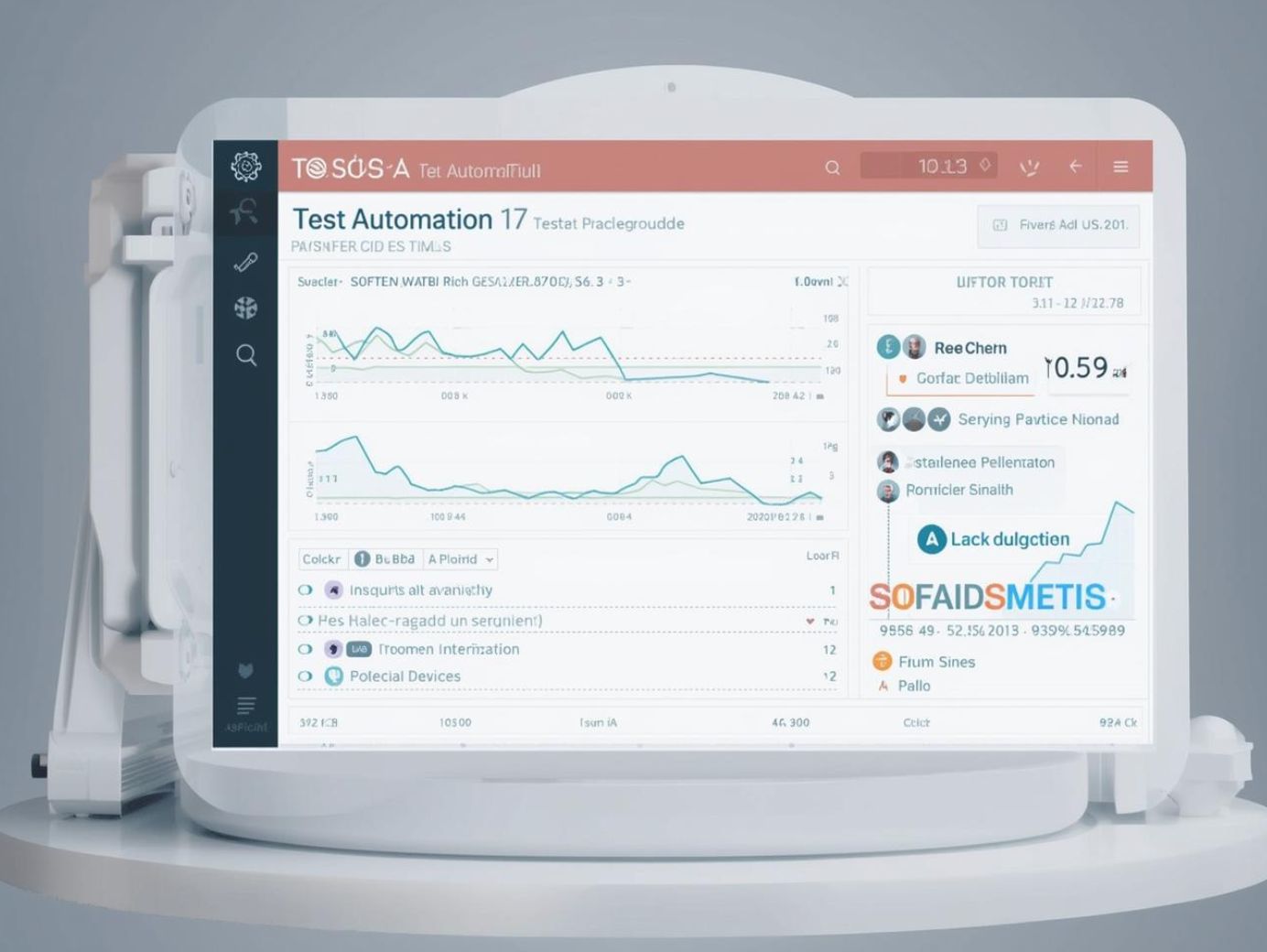
Keep reading to see how you can take control of your testing and boost your team’s productivity.
Tosca Test Automation Tool
Tosca Test Automation Basics: Tosca Test Automation is a tool designed to simplify software testing. It helps testers create and run tests without writing complex code. This makes testing faster and more reliable. Understanding the basics of Tosca is important for anyone starting with test automation.
Tosca uses a model-based approach. This means tests are built on a model of the application. This method reduces test maintenance and increases reusability. It supports many technologies and applications, making it versatile.
Tosca Commander Interface
Tosca Commander is the main tool for creating and managing tests. It has a user-friendly design. Testers can easily navigate through different sections. The interface organizes test cases, requirements, and test data clearly.
Model-based Test Automation
Tosca builds tests from models of the software. It scans the application and creates modules. These modules represent parts of the application. Testers use modules to create test cases quickly. This approach reduces manual effort.
Test Case Design
Test cases in Tosca are made using a simple table format. Testers add steps and expected results. It supports keyword-driven testing, making test creation easier. Test cases are easy to read and update.
Test Execution And Reporting
Tosca runs tests automatically and records the results. It shows clear reports with passed and failed tests. This helps teams find bugs quickly. Reports can be shared with all team members.

Credit: www.cetpainfotech.com
Key Features Of Tosca
Tosca test automation tool offers many useful features. These features help testers create, manage, and run tests efficiently. It supports various testing needs and reduces manual effort. Understanding Tosca’s key features helps users get the most from this tool. Below are some of the important features that make Tosca popular among testers.
Model-based Test Automation
Tosca uses a model-based approach to build tests. Testers create reusable test components. This method saves time and improves test accuracy. It also makes maintenance easier as tests adapt to changes quickly.
Scriptless Testing
Tosca does not require coding skills. Tests can be created using simple drag-and-drop actions. This feature allows non-technical users to participate in automation. It speeds up test creation and reduces errors.
Risk-based Testing
Tosca helps prioritize test cases based on risk levels. It focuses on high-risk areas to improve test coverage. This ensures critical parts of the application get tested first. It optimizes testing resources and time.
Integration With Ci/cd Tools
Tosca works well with continuous integration and delivery tools. It supports automated test execution in development pipelines. This helps teams catch bugs early and deliver software faster. It fits well in modern DevOps workflows.
Test Data Management
Tosca offers strong test data handling capabilities. It allows easy creation and management of test data sets. Testers can simulate real user scenarios with varied data. This improves test reliability and accuracy.
Support For Multiple Technologies
Tosca supports testing for many platforms and technologies. It works with web, mobile, API, and desktop applications. This flexibility reduces the need for multiple tools. Teams can automate testing across different environments easily.
Setting Up Tosca For Testing
Setting up Tosca for testing is the first step to automate your software tests. This process involves installing the software, configuring it, and preparing your test environment. Proper setup helps ensure smooth test execution and accurate results. Each step is simple but important. Following these steps carefully will save time later.
Installing Tosca Commander
Download the Tosca installer from the official website. Run the setup file and follow the instructions. Choose the default options for most users. Make sure your system meets the minimum requirements. After installation, open Tosca Commander to start your work.
Creating A New Workspace
Workspaces hold all your test cases and data. Open Tosca Commander and select “Create New Workspace.” Name your workspace clearly. Choose a location on your computer or network. This workspace will store all your project files securely.
Configuring Test Environment
Set up your test environment by adding necessary modules. Modules represent the parts of the software you want to test. Use Tosca’s built-in module library or create custom modules. Connect Tosca to your application to capture its controls. This connection allows Tosca to interact with your software during tests.
Importing Test Data
Test data drives your automated tests. Import data files like Excel or CSV into Tosca. Organize this data in meaningful ways. Data-driven testing improves test coverage and accuracy. It also helps test many scenarios quickly.
Setting Up Execution Lists
Execution lists tell Tosca which tests to run and when. Create a new execution list for your project. Add test cases in the order you want to execute them. Schedule execution if needed. Execution lists help manage and track your test runs easily.
Creating Test Cases With Tosca
Creating test cases with Tosca is a straightforward process designed for speed and accuracy. It helps testers build clear and organized tests without complex coding. The tool uses a model-based approach, which saves time and reduces errors. Test cases in Tosca are reusable and easy to maintain. This approach allows testing teams to manage large projects smoothly. Each test case can cover different scenarios, making testing thorough and efficient.
Creating Test Steps With Tosca
Test steps are the building blocks of Tosca test cases. You create steps by selecting actions and inputs. Tosca provides pre-built modules for common tasks. This helps testers add steps quickly and with less effort. Each step links to a specific part of the application under test. This connection ensures the test interacts with the right elements. Test steps can be edited anytime to adapt to changes in the application.
Using Tosca’s Test Case Design
Tosca’s test case design allows you to create test cases efficiently. You can use templates to repeat similar tests with different data. This method reduces manual work and avoids duplication. The design feature supports data-driven testing. It means one test case can run multiple times with various inputs. This increases test coverage and finds more bugs.
Organizing Test Cases In Tosca
Organizing test cases is simple in Tosca. You can group related tests in folders. This keeps your project tidy and easy to navigate. Test cases can be tagged or categorized for quick searching. This helps teams find tests faster. Clear organization boosts team productivity and test management.
Integrating Tosca With Ci/cd Pipelines
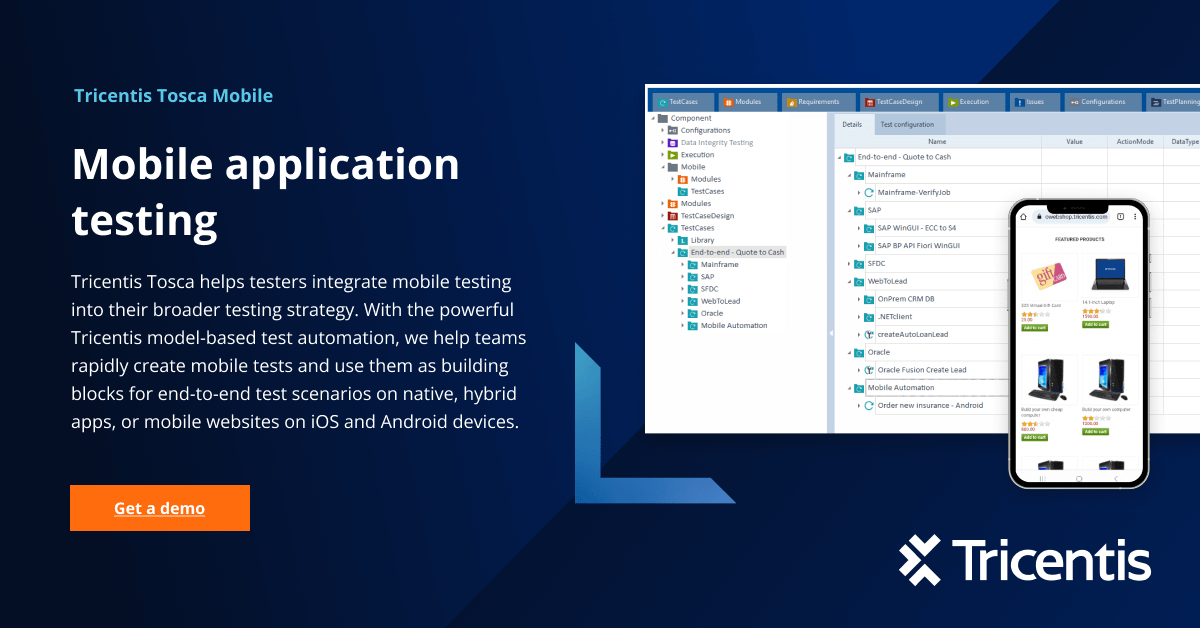
Integrating Tosca with CI/CD pipelines helps teams deliver software faster. It allows automated tests to run automatically during development cycles. This saves time and catches bugs early. Developers get quick feedback on their code changes. Test automation becomes part of the build and deployment process. Tosca fits well in CI/CD environments. It supports various tools and platforms for smooth integration. Teams can trigger tests after each code commit or before release. This keeps software quality high and reduces manual effort.
Automating Tosca Test Execution In Ci/cd
Tosca tests can run automatically using command-line interfaces. CI/CD tools like Jenkins, Azure DevOps, and GitLab call Tosca test suites. This runs tests without manual input. Results get collected and reported to developers fast. Scheduling test runs after code changes helps catch errors early. Automation ensures tests run consistently every time.
Integrating Tosca With Jenkins
Jenkins is a popular CI server that works well with Tosca. Jenkins triggers Tosca test execution using scripts or plugins. Test results display inside Jenkins dashboards. Developers see pass or fail status quickly. Jenkins pipelines can include Tosca tests as build steps. This enforces quality gates before deployment. It helps teams maintain stable software releases.
Using Tosca With Azure Devops Pipelines
Azure DevOps supports Tosca integration through custom tasks. Pipelines run Tosca tests during build or release jobs. Test results upload to Azure Test Plans or dashboards. Teams track testing progress in one place. This integration improves collaboration between developers and testers. It creates a seamless workflow from coding to testing.
Benefits Of Integrating Tosca In Ci/cd
Automation speeds up testing and delivery cycles. It reduces human errors and manual work. Teams catch defects sooner and improve software quality. Continuous testing supports agile development and fast releases. Tosca integration increases confidence in each software build. It makes testing a natural part of the development process.
Credit: www.tricentis.com
Benefits Of Using Tosca In Testing
Easy Test Case Design Tosca uses a model-based approach to create test cases. Testers can design tests by dragging and dropping elements. This reduces manual coding and speeds up test creation. The clear layout helps new testers learn quickly. Supports Multiple Technologies Tosca works with many software platforms and technologies. It supports web, mobile, API, and desktop applications. Teams can test different systems using one tool. This lowers costs and simplifies management. Robust Test Automation Automated tests run faster than manual ones. Tosca ensures tests are reliable and repeatable. It handles complex scenarios without much setup. This helps find bugs early and improves software quality. Enhanced Collaboration Testers and developers can share test cases easily. Tosca stores all test data in one place. Teams can track progress and results together. This improves communication and speeds up problem solving. Comprehensive Reporting Tosca generates detailed reports on test results. Teams can quickly see which tests passed or failed. Reports help identify problem areas fast. This supports better decision-making during development.Best Practices For Tosca Automation
Best practices for Tosca automation help create efficient and reliable test cases. They improve test coverage and reduce maintenance time. Following these practices ensures smooth automation and better results.
Organize Test Cases With Clear Naming
Name test cases clearly and consistently. Use simple words that describe the test purpose. This helps quickly find and understand tests later.
Use Modular Test Design
Create reusable test modules for common tasks. This reduces duplication and saves time. Change one module to update many tests.
Keep Test Data Separate
Store test data outside test cases. Use external files or databases for data. This makes tests easier to update and manage.
Implement Regular Test Reviews
Review tests often to find errors and improve quality. Peer reviews catch mistakes early. Update tests to match application changes.
Use Tosca’s Built-in Features
Leverage Tosca’s tools like risk-based testing and test case design. These features help focus on important areas and create better tests.
Maintain Test Environment Stability
Keep test environments consistent and clean. Avoid changes during test runs. Stable environments give reliable test results.

Credit: www.youtube.com
Frequently Asked Questions
What Is Tosca Test Automation Tool Used For?
Tosca automates software testing to find bugs and ensure quality in applications.
How Does Tosca Improve Software Testing Efficiency?
It uses model-based testing to reduce manual work and speed up test creation.
Can Beginners Easily Learn Tosca Test Automation?
Yes, Tosca has a user-friendly interface and requires little coding knowledge.
What Types Of Tests Can Tosca Perform?
Tosca supports functional, regression, API, and load testing for many applications.
Does Tosca Integrate With Other Development Tools?
Tosca works well with tools like Jira, Jenkins, and Selenium for smooth workflows.
Conclusion
Tosca test automation tool helps save time and reduce errors. It supports many testing types and works well with different apps. Teams can create tests without deep coding knowledge. This makes testing easier and faster for everyone. Using Tosca can improve software quality and team efficiency.
Try it to see how testing can become simpler.