
Are you looking to save time and boost your marketing results? Integrating marketing automation tools can be the game-changer your business needs.
Imagine having a system that handles repetitive tasks, nurtures leads automatically, and delivers personalized messages—all without extra effort from you. This not only frees up your schedule but also helps you connect better with your audience. Keep reading to discover how you can make these powerful tools work together smoothly and take your marketing to the next level.
Benefits Of Marketing Automation
Integrating marketing automation tools brings many benefits. These tools help businesses save time and improve how they reach customers. Automation makes marketing tasks easier and faster. It allows teams to focus on more important work. The benefits of marketing automation are clear and valuable for any business.
Improved Efficiency And Time Savings
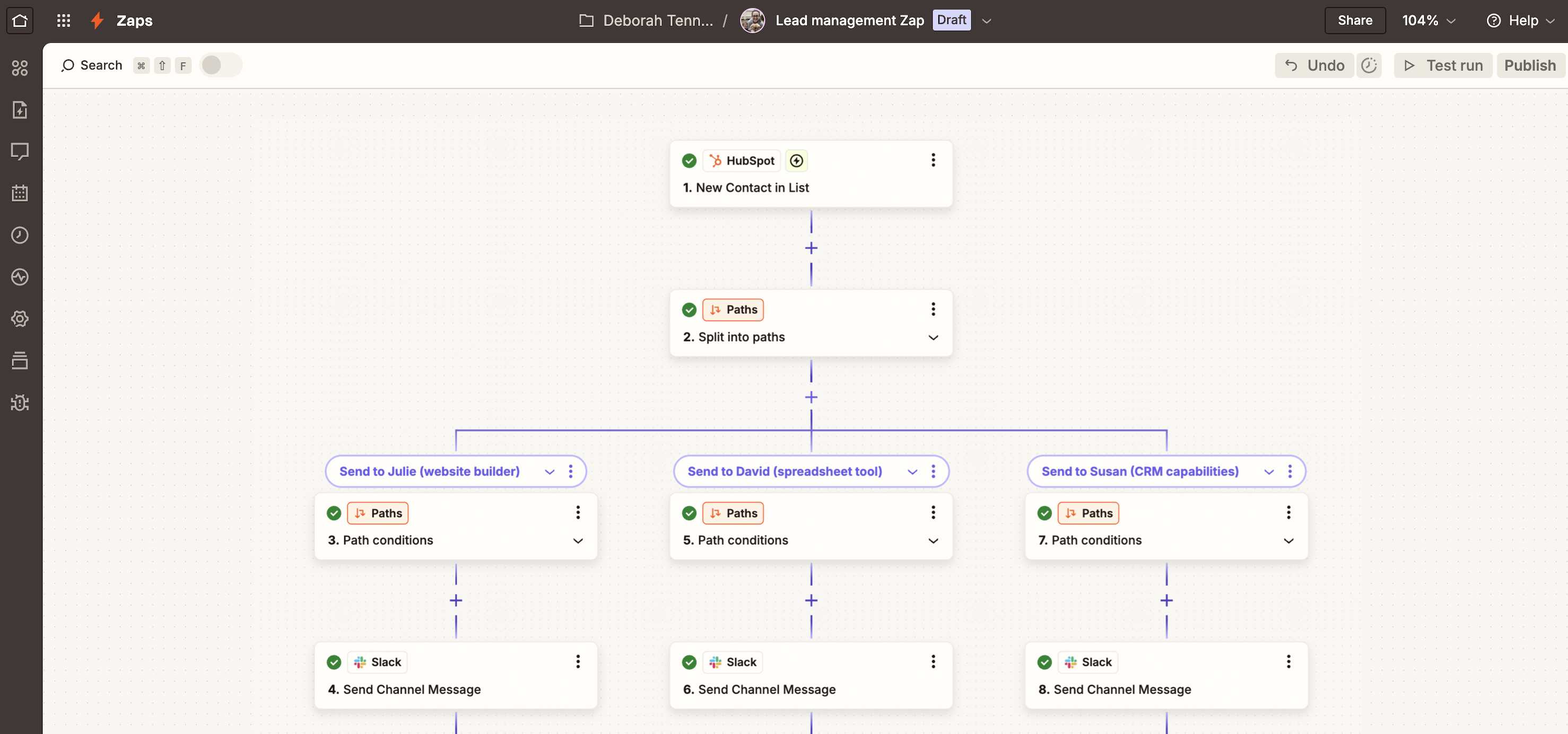
Marketing automation reduces manual tasks. It handles repetitive jobs like sending emails and posting on social media. This saves time and lets teams work on strategy and creativity.
- Automated email campaigns send messages at the right time without manual input.
- Scheduling social media posts in advance keeps content consistent.
- Lead scoring and nurturing happen automatically based on customer actions.
Better Customer Targeting And Personalization
Automation tools collect customer data and use it to personalize marketing. This creates more relevant messages and improves customer engagement.
- Segment audiences by behavior, location, or interests.
- Send personalized offers and content based on customer preferences.
- Track customer journey to provide timely and useful communication.
Increased Sales And Revenue
Marketing automation helps convert leads into customers. It nurtures prospects with the right message at each stage of the buying process.
| Stage | Automation Benefit |
|---|---|
| Lead Capture | Instant follow-up increases chances of engagement |
| Lead Nurturing | Personalized emails build trust and interest |
| Conversion | Timely offers encourage purchase decisions |
Consistent Reporting And Analytics
Automation tools provide clear reports on marketing performance. Teams can track what works and what needs improvement.
- Monitor open rates, clicks, and conversions.
- Analyze customer behavior over time.
- Adjust campaigns based on real data.
Credit: zapier.com
Choosing The Right Tools
Choosing the right marketing automation tools is key to making your campaigns efficient and effective. The right tools help you save time, reach customers better, and grow your business. Picking tools that fit your needs and skills is important. Focus on features, ease of use, and how well they work with your current systems. This section breaks down what to check before choosing any tool.
Understanding Your Business Needs
Start by listing what your business needs from marketing automation. Think about your goals and tasks you want to automate. Examples include:
- Sending emails automatically
- Tracking customer behavior
- Managing social media posts
- Generating sales reports
Clear needs help narrow down the tools that suit your business best.
Evaluating Key Features
Not all tools offer the same features. Focus on these key functions:
| Feature | Why It Matters |
|---|---|
| Email Automation | Saves time by sending targeted emails automatically. |
| Lead Scoring | Helps prioritize potential customers based on behavior. |
| CRM Integration | Keeps customer data organized and synced. |
| Analytics & Reporting | Measures success and areas needing improvement. |
Considering User-friendliness
Choose tools that are easy to use. Complex systems slow down your team. Look for:
- Simple setup and interface
- Clear tutorials and support
- Drag-and-drop editors
Easy tools help your team adopt faster and reduce errors.
Checking Integration Capabilities
Your marketing tools should work smoothly with existing software. Check if they connect with:
- Your website platform
- Customer Relationship Management (CRM) systems
- Social media channels
- Other marketing apps
Good integration saves time and keeps data consistent across platforms.
Comparing Pricing And Scalability
Marketing tools come at different prices. Consider:
- Monthly or annual costs
- Extra fees for add-ons or users
- Free trials or demos
Choose tools that fit your budget and can grow with your business.
Setting Clear Objectives
Integrating marketing automation tools requires a solid foundation. Setting clear objectives ensures success in Marketing Automation Integration. Clear goals guide your efforts in CRM Synchronization and Data-Driven Marketing. They help optimize Automated Lead Nurturing and Campaign Management Tools. Objectives also improve Sales and Marketing Alignment and enhance Customer Journey Mapping. Defining targets supports Multi-Channel Marketing Automation and Workflow Automation. It sharpens Email Marketing Automation strategies for better results.
Defining Measurable Goals
Start with specific, measurable goals. Avoid vague aims like “increase sales.” Instead, set targets such as “boost email open rates by 15% in three months.” Measurable goals help track progress and adjust strategies.
- Increase lead conversion by 20% within six months
- Reduce customer churn by 10% through targeted campaigns
- Improve email click-through rates by 25% using Email Marketing Automation
Aligning Objectives With Business Needs
Your marketing automation goals must fit overall business goals. This alignment ensures CRM Synchronization supports sales targets. It also helps Campaign Management Tools focus on priority areas. Proper alignment strengthens Sales and Marketing Alignment, making teamwork more efficient.
Prioritizing Customer Journey Mapping
Set objectives that focus on understanding customer behaviors. Customer Journey Mapping helps identify key touchpoints. Use this insight to improve Multi-Channel Marketing Automation. Target messages and offers based on each stage of the journey.
Setting Timelines And Milestones
Break down your goals into smaller steps with clear deadlines. Timelines keep your team focused and motivated. Use Workflow Automation to monitor progress and send reminders. Milestones also help celebrate small wins and maintain momentum.
Tracking And Analyzing Results
Establish how you will measure success from the start. Use Data-Driven Marketing tools to gather insights. Regularly review performance to refine Automated Lead Nurturing and Campaign Management Tools. Tracking results ensures your marketing automation efforts stay on course.
Data Integration Strategies
Integrating marketing automation tools requires smart data integration strategies. These strategies help combine data from different sources into one system. This makes marketing efforts more efficient and targeted. Proper data integration saves time and reduces errors. It also improves customer insights and campaign results.
Data Mapping And Standardization
Data mapping connects fields from different systems to match each other. Standardization means making data uniform in format and style.
- Identify key data points: customer names, emails, purchase history.
- Match data fields: link “email” in one tool to “contact_email” in another.
- Use consistent formats: dates as YYYY-MM-DD, phone numbers with country codes.
- Clean data regularly: remove duplicates and fix errors.
This process ensures data flows smoothly between marketing tools without confusion.
Api Integration Techniques
APIs (Application Programming Interfaces) let marketing tools communicate directly. They transfer data quickly and safely.
- Choose APIs that support your tools.
- Set up authentication: use keys or tokens to secure data access.
- Test API calls: check data is sent and received correctly.
- Automate data sync: schedule regular API updates to keep data fresh.
APIs reduce manual work and keep data consistent across platforms.
Using Middleware For Seamless Integration
Middleware acts as a bridge between different marketing systems. It handles complex data transformations and workflows.
| Middleware Type | Key Features | Benefits |
|---|---|---|
| iPaaS (Integration Platform as a Service) | Cloud-based, easy setup, supports many apps | Quick integration, less coding needed |
| ETL Tools (Extract, Transform, Load) | Data extraction, cleaning, and loading | Improves data quality and consistency |
| Custom Connectors | Tailored to specific systems | Fits unique business needs precisely |
Middleware simplifies complex data flows and increases integration reliability.
Workflow Design And Optimization
Integrating marketing automation tools requires smart workflow design and optimization. This step helps connect CRM integration, marketing automation platforms, and campaign management into a smooth process. A well-designed workflow guides tasks from start to finish, improving efficiency. It enhances behavioral targeting and lead nurturing by delivering timely and relevant content.
Understanding Customer Journey Mapping
Customer journey mapping is the first step in workflow design. It shows every interaction a customer has with a brand. This map helps identify key points to use email marketing automation and behavioral targeting. Knowing the journey stages allows precise campaign management and better lead nurturing.
Creating Workflow Automation Steps
Workflow automation breaks tasks into clear steps. These steps move leads through the sales funnel optimization smoothly. Steps include:
- Data capture and data synchronization across systems
- Lead scoring based on behavior
- Triggering personalized emails
- Updating CRM records automatically
Automation reduces manual work and keeps the sales team focused on closing deals.
Optimizing For Performance
Optimization means testing and improving workflows regularly. Use these methods:
- Track key metrics like open rates and conversion rates.
- Adjust workflows based on customer behavior data.
- Refine campaign management to target the right audience.
- Ensure data synchronization is error-free for accurate reporting.
Regular updates keep the system agile and responsive to market changes.
Credit: www.leadfeeder.com
Measuring Campaign Performance
Measuring campaign performance is a vital part of integrating marketing automation tools. It helps marketers understand which strategies work and which need improvement. Tracking key data points allows businesses to make smart decisions, increase ROI, and fine-tune their campaigns. Marketing automation tools provide detailed analytics that simplify this process. These insights reveal customer behavior, engagement levels, and conversion rates, making campaigns more effective.
Tracking Key Metrics
To measure campaign performance, focus on important metrics. These include:
- Open Rate: Percentage of recipients who open emails.
- Click-Through Rate (CTR): Percentage who click on links.
- Conversion Rate: Percentage who complete desired actions.
- Bounce Rate: Emails that fail to deliver.
- Unsubscribe Rate: Number of people opting out.
These metrics provide clear insights into how well your campaign reaches and engages the audience.
Using Dashboards For Real-time Insights
Marketing automation tools often include dashboards that display real-time data. Dashboards help marketers:
- Monitor campaign progress instantly.
- Spot trends and issues quickly.
- Compare performance across different campaigns.
- Adjust strategies faster for better results.
Real-time feedback saves time and improves campaign management.
Analyzing Customer Behavior
Automation tools track customer actions across multiple channels. This helps marketers:
- Understand preferences and interests.
- Identify the best times to engage customers.
- Personalize messages for better response rates.
- Segment audiences based on behavior.
Analyzing behavior enhances targeting and boosts campaign success.
Reporting And Optimization
Regular reports provide summaries of campaign results. These reports include:
| Report Type | Purpose | Benefits |
|---|---|---|
| Email Performance | Shows open, click, and bounce rates | Improves email content and timing |
| Lead Generation | Tracks new leads from campaigns | Helps focus on high-potential prospects |
| Sales Funnel | Monitors progress through sales stages | Identifies bottlenecks and opportunities |
Use reports to optimize campaigns regularly. Testing different approaches based on data leads to better outcomes.
Common Challenges And Solutions
Integrating marketing automation tools brings many benefits but also some common challenges. These tools include Email Marketing Integration, CRM Integration, Lead Nurturing, and Campaign Management Tools. Businesses often face problems with Data Synchronization, Customer Journey Mapping, and Multi-Channel Marketing Automation. Solving these issues is key to smooth Workflow Automation and effective Sales Funnel Optimization. Understanding the challenges and their solutions helps use Marketing Automation Software efficiently.
Email Marketing Integration Challenges
Connecting email platforms with other tools can cause data mismatches and delays. This affects campaign timing and personalization.
- Challenge: Incorrect or missing subscriber data during sync.
- Solution: Use APIs that allow real-time data updates.
- Solution: Test integration on small segments first.
Crm Integration Issues
CRM integration often struggles with inconsistent data formats and duplicate records. This leads to poor lead tracking and reporting.
| Problem | Impact | Fix |
|---|---|---|
| Data format mismatch | Errors in lead details | Standardize data fields before sync |
| Duplicate records | Confusing sales reporting | Implement deduplication tools |
Lead Nurturing And Customer Journey Mapping
Mapping customer journeys is complex. Leads may drop off if automation does not match their behavior.
- Identify key touchpoints in the sales funnel.
- Set triggers based on customer actions.
- Regularly update workflows to reflect changes.
Tip: Use detailed analytics to refine lead nurturing steps and improve engagement.
Multi-channel Marketing Automation Challenges
Managing campaigns across email, social media, and SMS can cause inconsistent messaging.
- Problem: Lack of unified customer profiles.
- Solution: Centralize data in one platform.
- Solution: Use tools that support multi-channel workflows.
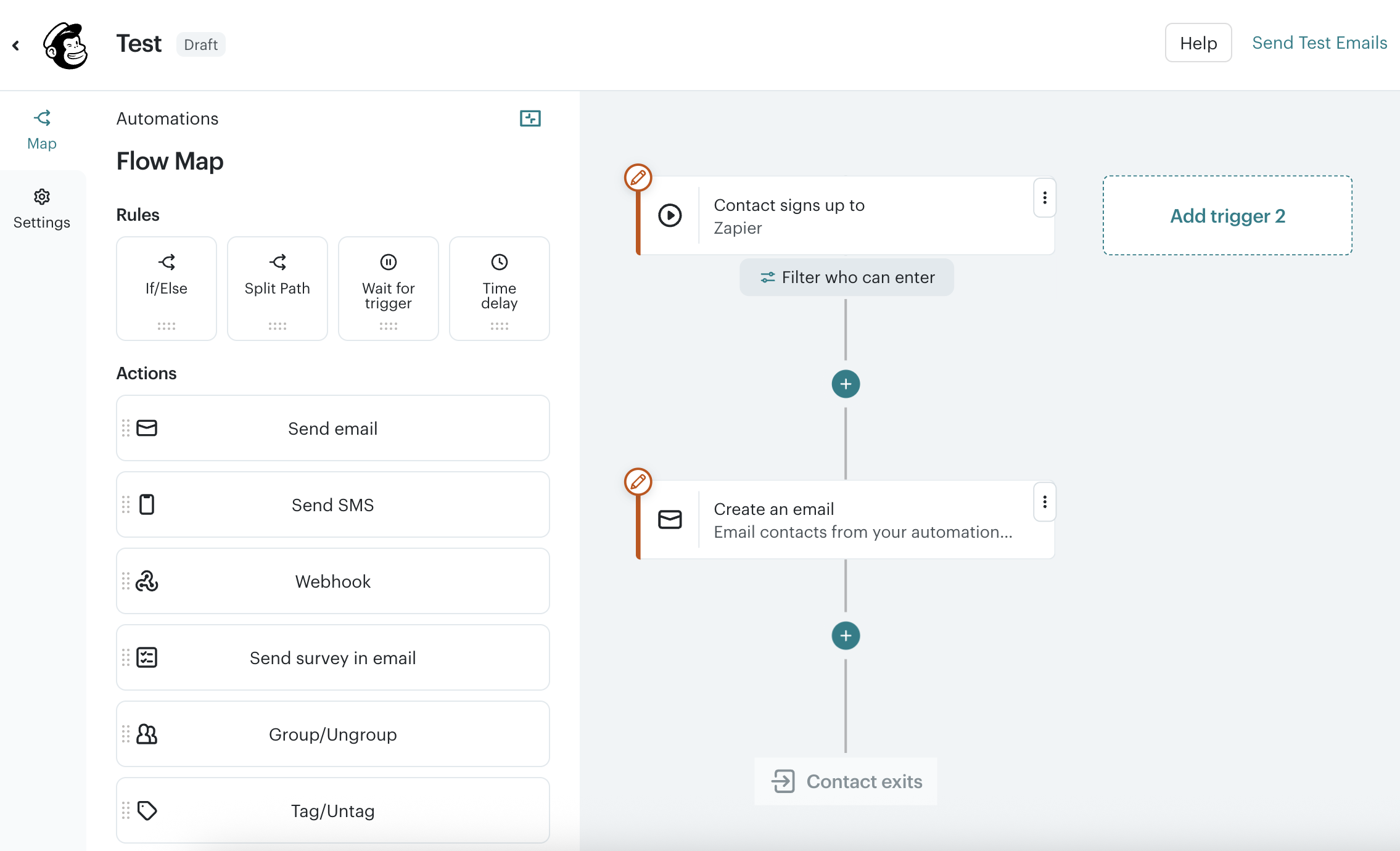
Data Synchronization And Workflow Automation
Data sync errors disrupt automated workflows and slow down marketing operations. Common causes include:
- Network issues.
- Incorrect API settings.
- Outdated software versions.
Fixes:
- Set up automated error alerts.
- Schedule regular software updates.
- Test workflows after changes.
Credit: zapier.com
Frequently Asked Questions
What Are Marketing Automation Tools Used For?
Marketing automation tools help businesses automate repetitive marketing tasks like emails and social media posts.
How Do Marketing Automation Tools Improve Customer Engagement?
They send timely, personalized messages that keep customers interested and encourage interaction.
Can Marketing Automation Tools Integrate With Other Software?
Yes, most tools connect easily with CRM, email, and analytics platforms for better data use.
What Are Common Challenges In Integrating Marketing Automation?
Data syncing issues, tool compatibility, and staff training are the main challenges faced.
How Long Does It Take To Set Up Marketing Automation Tools?
Setup time varies but usually takes from a few days to several weeks depending on complexity.
Conclusion
Integrating marketing automation tools saves time and boosts efficiency. It helps send the right message to the right audience. Businesses can track customer behavior and improve campaigns easily. Automation reduces manual work and cuts errors. Teams work better with clear data and smart workflows.
Start small, test, and grow your automation step by step. This approach makes marketing simpler and more effective over time. Choose tools that fit your needs and keep learning. Success comes with patience and steady improvements.